Midnight on the Bund. From the Huangpu River come the horns of steamers bound for Hong Kong or Yokohama. Electric advertisements on the Cathay and the Astor House Hotels cut into the dark. Out of a window on the upper floor of the Paramount Ballroom drifts a saxophone — played by a Black American who emigrated here from Chicago. Below, a rickshaw passes with two drunken Britishers, and beside them a Chinese student of Saint John's University walks home with a book in English.
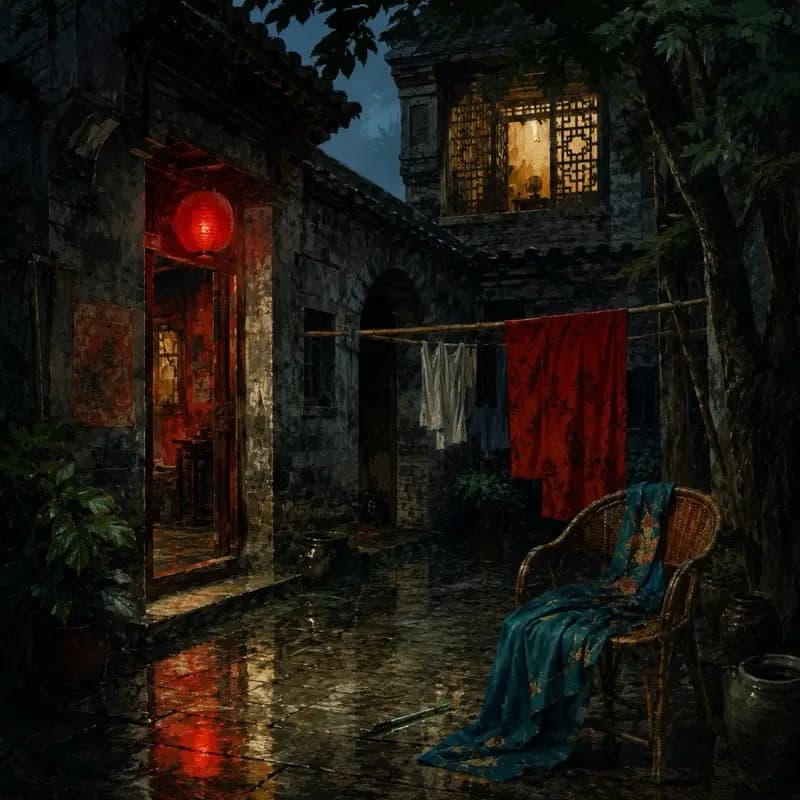
This is a city that exists nowhere else. After the Opium Wars of the previous century, Shanghai has been divided into concessions — British, French, International. Each has its own laws, its own police, its own architecture. Between them lies the Old Chinese City, with its narrow lanes, its lilong courtyards, its bazaars. Taken together, this is the largest port in Asia, fourth in the world by volume, and the destination for anyone who has nowhere else to go.
Russian émigrés, who fled the revolution, open cafés and dance halls. Baghdadi Jewish families — the Sassoons, the Hardoons, the Kadoories — build skyscrapers and own half the Bund. Japanese entrepreneurs open factories. The British hold the banks, the trading houses, the insurance companies. The French hold a quarter shaded with plane trees and lined with cafés. And through all of it runs the Chinese current — factory workers, students, revolutionaries, gangsters of the Green Gang, young women writing in the new magazines, singers in new cheongsam.
The city is divided into worlds that occasionally touch. A wealthy Chinese merchant lives in the French Concession, his daughter attends a Catholic school, his wife buys silk on Nanking Road, and in his offices work clerks born in Zhejiang who speak a dialect no one in the French Concession can follow. The contrasts are not blended. They stand beside each other and look across.
In 1921 the first congress of the Chinese Communist Party meets in Shanghai, in the back room of a girls' school. At the same time, the entertainment quarters thrive with opium, with prostitution, with smuggling. The city offers possibilities found nowhere else — and every possibility costs more than it seems.
This era holds lives in many forms — young Chinese journalists in the rise of the modern press, daughters of Shanghai trading families, graduates of the new universities, Russian émigrés starting cafés and shops, foreign clerks in banks and firms, singers and dancers in the clubs of the French Concession, factory owners and the women who work for them, and those who have come from a village and are trying to find a way to stay.